An official-guide-based introduction to Myeongdong Kyoja, with practical questions about portions, ingredients, and finding the right location.
Begin with the kind of meal you want
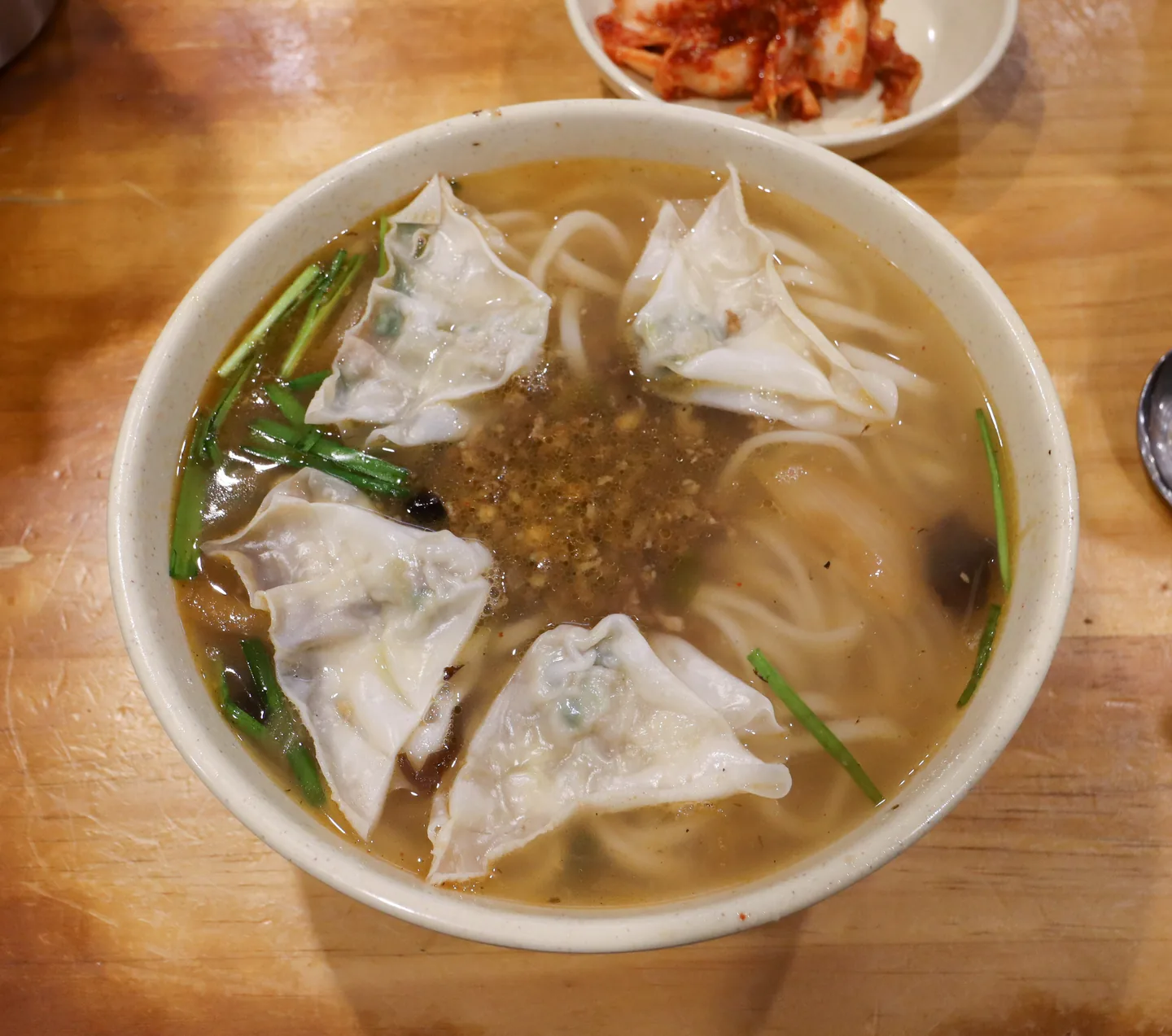
The Korea Tourism Organization introduces Myeongdong Kyoja for kalguksu, a noodle soup, and also lists mandu and bibim guksu, or spicy noodles. That gives you a useful starting point: decide whether you want a soup-based noodle meal or would prefer another listed choice.
If you are travelling with someone unfamiliar with Korean food names, look at the descriptions or menu photographs together. Knowing the name of a dish is helpful, but agreeing on the kind of meal you want makes choosing much easier.
Let dumplings be a decision
Do not add another dish simply because it appears in every saved photograph. Consider how hungry each person is and whether this is the main meal of your day. Ask about portions and the ordering arrangement before deciding how much to share.
A first visit does not need a complicated order. Pick the item you most want, then consider additions after clarifying quantity. If your day includes several food stops, a focused lunch leaves more flexibility than an order built from every recommendation you have read.
Check ingredients separately from names
The words noodles and dumplings do not identify every ingredient in a broth, filling, or seasoning. If you avoid particular ingredients or have dietary requirements, ask before ordering. A translation of the menu name helps identify a dish; it does not replace that conversation.
| Your situation | What to clarify |
|---|---|
| Avoiding an ingredient | Broth, filling, and seasoning ingredients |
| Sharing a meal | Serving units and the ordering arrangement |
| Eating again later | Whether an additional dish is useful |
Use lunch as the anchor of the outing
For a Myeongdong shopping day, try a little browsing before the meal and leave one priority afterwards. This gives the day a shape without turning every shop into an appointment. When you have a fixed departure, avoid leaving the meal until the last possible moment.
Confirm the exact location you intend to visit, not just the restaurant name. Compare your saved map pin with the address in the current listing. If waiting would put the rest of your day under pressure, agree whether to adjust the schedule or choose another meal.
Write the detail you would use again
After eating, note whether you would choose the same order and how the quantity suited your party. That small record connects an unfamiliar food name with an actual decision. Include your companion’s preferences if you expect to plan another meal together.
The restaurant and menu introduction here uses Korea Tourism Organization information. The rest is editorial help with ordering and pacing, rather than a first-hand judgment of taste. Check the current menu and operating arrangements with the official information and the restaurant.